
JoJo Tank Installation in Harare
Setting up water storage for ZESA cuts and council water shortages? Building new and need a tank system from scratch? Adding capacity to an existing setup? We supply and install water tanks across Harare: JoJo, Roto, Pioneer, Mali, and local brands. Steel stands, full plumbing, and proper connections. Same-day install on most jobs.
Supply + install or install-only
Most jobs done in one day
JoJo, Roto, Pioneer, Mali, and local brands
Harare Jojo Tank Installation Services
At Master Plumbers Harare, we handle the full tank system, tank, stand, plumbing, and source connection, not just dropping a tank in your yard.
Single Tank Install
One tank with a stand, plumbed to your source (council, borehole, or rainwater) and out to your house. Most common setup for Harare homes.
Multi-Tank Linked Systems
Two or three tanks plumbed together for more storage. Often cheaper than one huge tank and easier to install on smaller properties.
Tank Stand Installation Only
You bought the tank; you need it raised for gravity pressure. We fabricate and install steel stands from 3m to 12m.
Rainwater Harvesting Systems
Roof gutters → downpipes → first-flush diverter → leaf filter → tank → pressure pump or stand → house. Free water from your roof.
Borehole-to-Tank Systems
Pipe runs from the borehole pump to the JoJo tank, with a float switch to stop the pump when full. Backbone of most Harare water setups.
Underground Tank Installation
For homes that want the tank hidden. Premium look, more expensive install, but stays cool and looks tidy. Best for medium and large plots.
Commercial and Body Corporate Tank Systems
Lodges, schools, body corporates, churches, restaurants. Larger capacity, often multiple linked tanks, sometimes with industrial-grade pumps.
Tank Replacement and Upgrade
Old tank failing? Want to swap for a bigger one or a better brand? We pull the old one, prep the site, and install the new one with fresh plumbing.
We also offer borehole pump installation services in Harare.
Tank Sizes, Which One Do You Need?
Choosing the right size matters. Too small and you run out during a long ZESA or council cut. Too big and you’ve paid for capacity you’ll never use. Here’s a real-world guide.
1,000L Tank
For:
Backup only, small flats, cottages with 1–2 people. Small gardens.
Days of supply:
About 2 days of basic household use for 2 people, less if you bath instead of shower.
Best paired with:
A reliable council or borehole supply. Not enough for week-long cuts.
2,500L Tank
For:
Small families (2–3 people), small homes, properties with reliable backup supply.
Days of supply:
About 3 to 5 days of normal use for a family of 3.
Best paired with:
Borehole or reliable council connection.
5,000L Tank, The Harare Standard
For:
Most family homes. The most common size we install.
Days of supply:
About 6 to 10 days of normal use for a family of 4 to 5.
Best paired with:
Borehole, council, or rainwater harvesting. Long enough to survive most local cuts comfortably.
10,000L Tank, The Long-Cut Solution
For:
Larger families, homes with pools, properties with frequent or long water cuts, lodges, small businesses.
Days of supply:
About 12 to 20 days of normal household use.
Best paired with:
Borehole + rainwater harvesting for true independence.
Multi-Tank Setups
Sometimes two linked 5,000L tanks are smarter than one 10,000L. They’re easier to transport, easier to lift onto a stand, and if one fails, you still have the other. We design either way depending on your property and budget.
Not sure what size you need? WhatsApp us your household size and current water issues ]
Tank Stands, How High Do You Need to Go?
Stand height directly controls water pressure. Every metre of height adds about 0.1 bar of pressure. Here’s what each height delivers.
3m Stand
Pressure: Basic gravity feed for ground-floor taps and toilets.
Good for: Single-storey homes, cottages, garden taps. Filling a low-level wash basin or flushing a toilet.
Not enough for: Showers with proper force, solar geysers, two-storey homes.

6m Stand
Pressure: Decent pressure for whole-house ground-floor use, including a working shower. Good for: Single-storey family homes with solar geysers (most solar geysers need at least 6m of head to circulate properly). This is the Harare standard for family homes.

7–8m Stand
Pressure: Strong pressure for two-storey homes and upper-floor showers.
Good for: Two-storey houses, homes with premium fittings, homes wanting pressure equivalent to good council mains.

9m+ Stand
Pressure: High pressure, close to mains equivalent.
Good for: Three-storey buildings, multiple tanks, commercial properties, lodges.
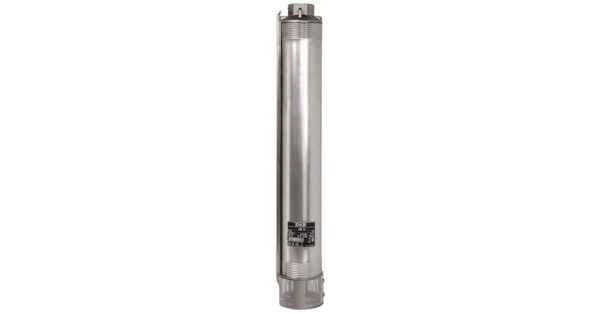
What if the height is too much?
For very tall buildings or where local rules limit stand height, a pressure pump is often the better answer. See the next section.
Tank Stands, How High Do You Need to Go?
We work with every common water tank brand sold in Zimbabwe. Here’s what each is known for.
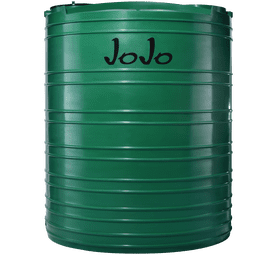
JoJo (South Africa)
The genuine premium brand. Food-grade LLDPE polymer, anti-algae inner layer, UV-protected outer layer. Up to an 8-year warranty on the larger models. Most expensive but lasts longest in Harare’s strong sun.
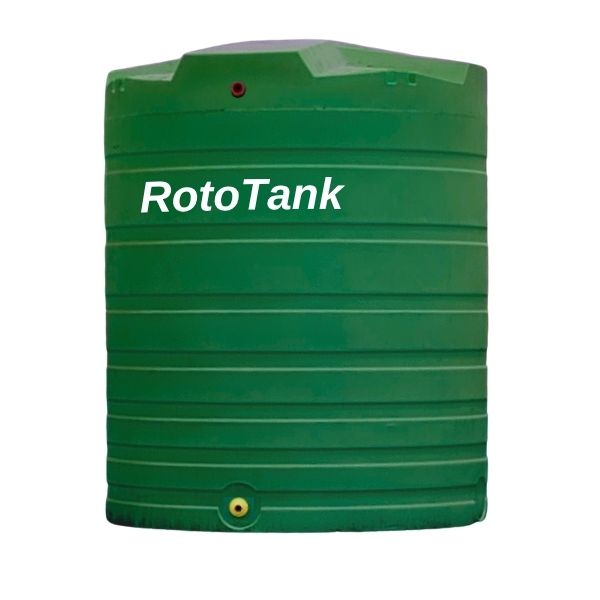
Roto Tank (South Africa)
Strong mid-premium alternative to JoJo. Similar quality build, slightly lower price point. Good warranty.
Pioneer Plastics
Reliable mid-range. Widely available in Zimbabwe. Good for tight budgets that still want a real warranty.
Mali Water Tanks (Zimbabwe)
Local Zim brand. Strong on price, decent quality for the cost. Good for back-of-house or low-pressure use.
Other Local and Imported Brands
We install most of the tanks customers bring to us. We will tell you honestly if a brand we’ve seen fail repeatedly isn’t worth the savings.
On UV damage and tank life:
Harare’s altitude gives us very strong UV. Tanks made for European or US markets often fail in 4 to 6 years here. Genuine JoJo and Roto with proper UV-protected outer layers last 10 to 15 years. Cheap unbranded tanks sometimes last 2 to 3 years. The cheapest tank is often the most expensive over time.
What a Full Tank Installation Includes
You don’t just buy a tank. A full working system has multiple parts. Here’s what we install when we quote a complete job.
1. The tank
Sized to your needs, in your chosen brand and colour
2. Tank stand
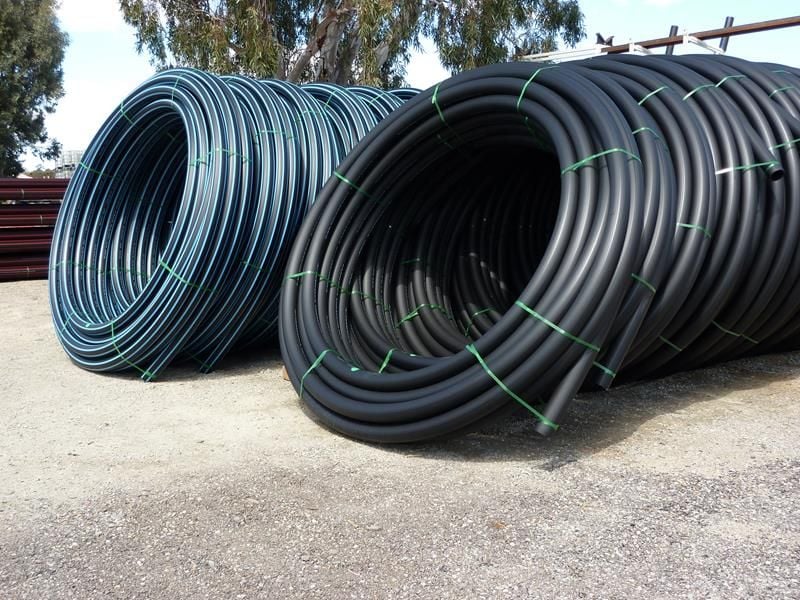
(If needed) — steel-fabricated, height to match your pressure needs
3. Concrete footings
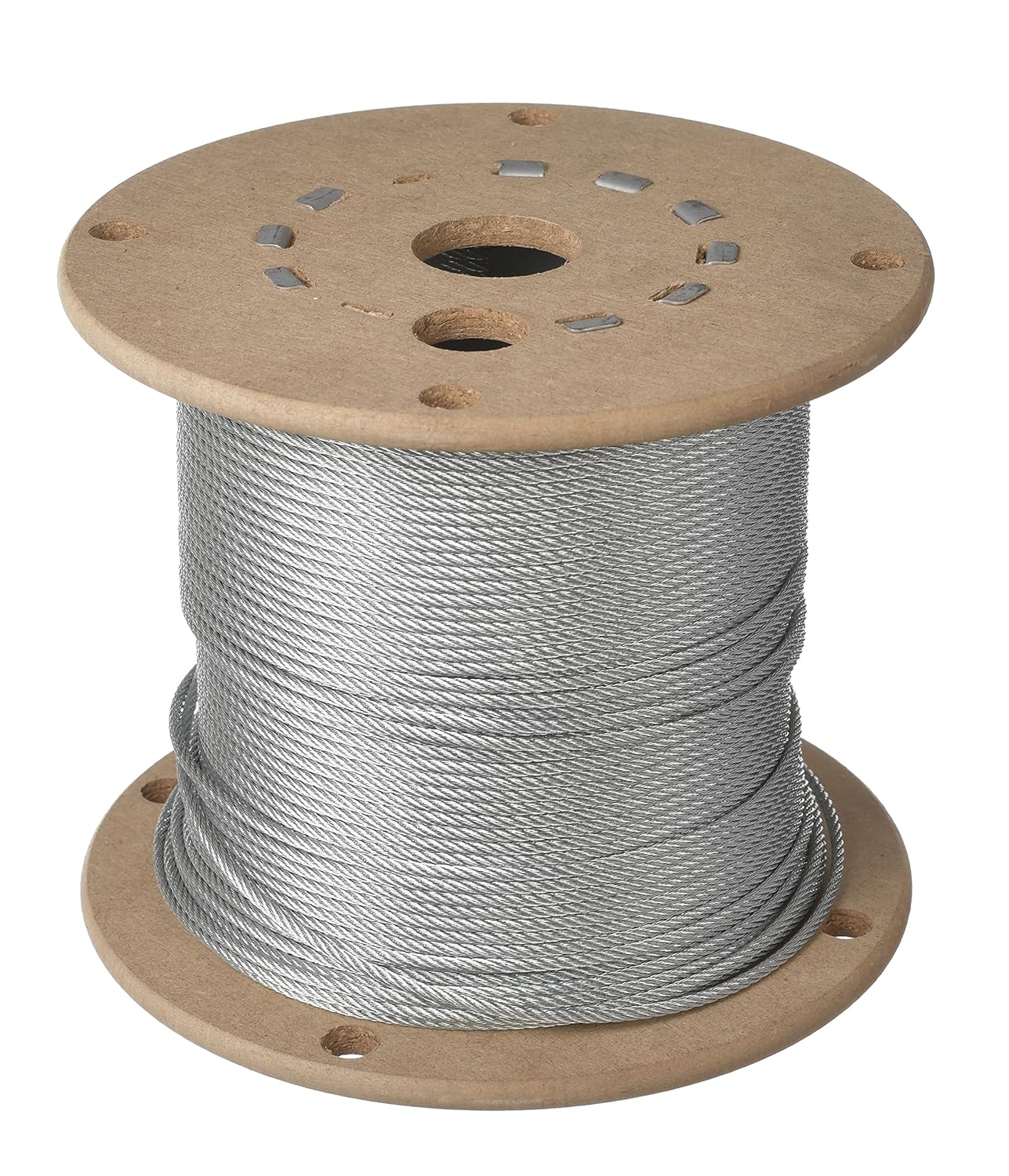
Proper base for the stand legs, never resting on soil
4. Inlet plumbing

Pipe from your source (council, borehole, or rainwater) to the tank
5. Float valve
Auto-fill that stops water flowing in when the tank is full
6. Outlet plumbing
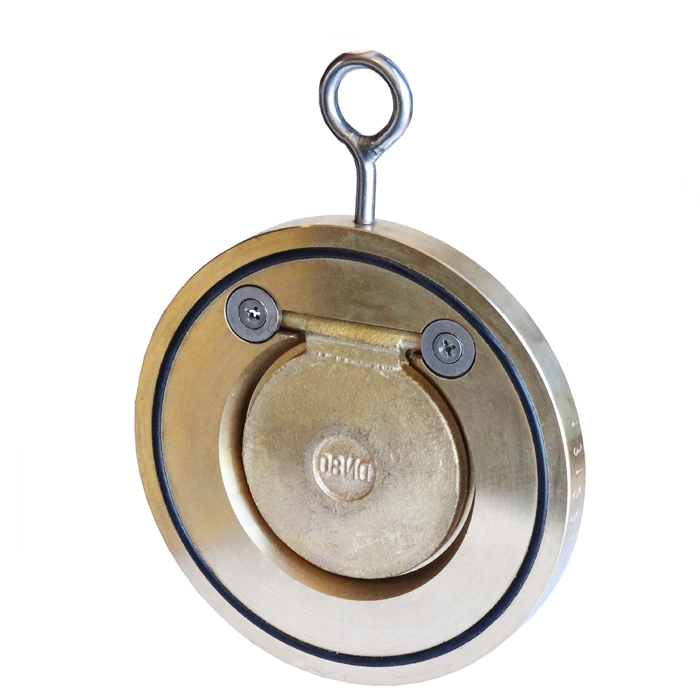
Pipe from the tank to your house
7. Isolation valve
So you can shut off the tank for cleaning or service
8. Overflow pipe
So excess water drains safely away, not into the foundation
9. Drain valve at the base

For occasional tank cleaning
10. Tank cover
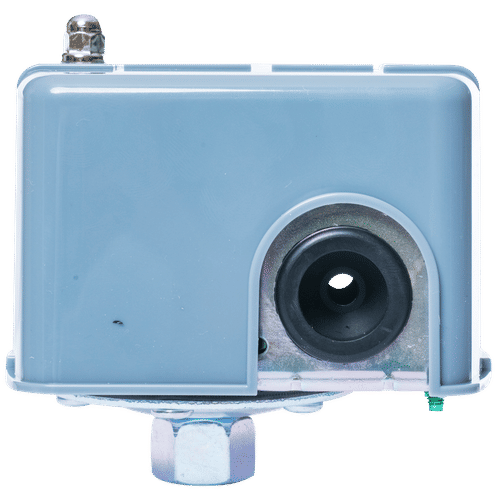
Properly sealed lid, stops contaminants and insects
11. Vent
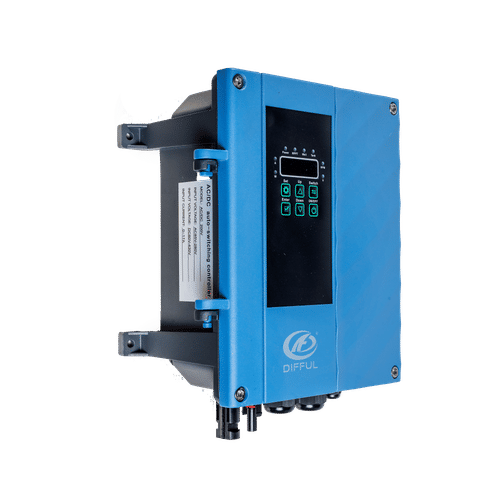
So the tank doesn’t collapse on itself when emptying
12. Optional: pressure pump and pressure tank
For boosted pressure
13. Optional: float/level switch
Turns your borehole pump off when the tank is full
14. Optional: sediment filter
Clean water at the outlet point
15. Optional: first-flush diverter and leaf filter
(rainwater systems)
A “cheap install” often skips items 5, 7, 11, and 12. Then the tank slowly leaks, develops algae, smells, or collapses. We don’t skip.
Stand or Pressure Pump? Which Makes Sense?
Both can give you good pressure. The right choice depends on your property and budget.
Choose a Tall Stand If
- You have space for a 6m+ stand on the property
- You want pressure that works even during long ZESA cuts (no power = no pump = no water)
- You prefer fewer mechanical parts to maintain
- Your house is mostly single-storey
Pros: Works without electricity. No moving parts. Lasts decades.
Cons: Higher upfront cost. Needs space. Visible structure.
Choose a Pressure Pump If
- Your property is small, or your stand height is limited
- You don’t mind running on ZESA or solar power
- You want consistent high pressure all over the house
- You have a two-storey or three-storey home
- You’re putting the tank at ground level or below
Pros: Strong, consistent pressure regardless of tank height. Cheaper upfront than a tall stand. Compact.
Cons: Needs power. Mechanical parts wear over the years. Stops working during long ZESA cuts (unless paired with a UPS or solar).
The Best of Both Worlds
For many Harare homes, a 4–6m stand plus a small pressure pump is the smart compromise. The stand gives you usable gravity pressure during ZESA cuts. The pump gives you full house pressure when power is on. We design both options into the quote so you can choose.
Rainwater Harvesting, Free Water From Your Roof
Harare gets about 800mm of rainfall a year, almost all of it between November and March. A house with a 200 m² roof can capture over 150,000 litres of free water in a season, easily enough to keep a 10,000 L tank topped up for months after the rains stop.
How a Rainwater Harvesting System Works
- Roof gutters catch the rain
- Downpipes carry the water down to ground level
- Leaf filter removes leaves, twigs, and debris
- First-flush diverter sends the first dirty water (with roof dust) to drain
- Pipe to tank carries clean water into the JoJo
- Optional sediment filter further cleans water at the outlet
- Tank outlet to your house, garden, or borehole top-up

What We Install for Rainwater
- Gutter and downpipe upgrades if needed
- Leaf filters at every downpipe entry
- First-flush diverters
- Inlet plumbing to the tank
- Overflow back to your normal stormwater drainage
- Optional UV sterilisation for drinking-quality use
- Sediment filters for cleaner water at the tap

Is the Water Safe?
For garden, toilet flushing, laundry, and cleaning, absolutely. For drinking or cooking, only with proper filtration and UV treatment, which we can install. Most households use rainwater for non-drinking use and council/borehole water for drinking.
Borehole Pump Problems We Fix
Existing system not working right? Here is what we see most often.
No Water at All
Pump may have failed, cable may have shorted, control box may have tripped. We diagnose and replace the failing part.
Weak Pressure / Weak Flow
Pump may be undersized, motor may be tired, pressure tank may be waterlogged, or there may be a leak in the drop pipe.
Pump Keeps Tripping the Breaker
Common after ZESA surges. Could be a damaged motor, faulty pressure switch, dry-running (borehole low), or burnt cable.
Pump Won’t Stop Running
Pressure switch stuck, pressure tank failed, or a leak somewhere in the system that’s stopping pressure from building.
Pump Cycles On and Off Too Quickly
Pressure tank has lost its air charge. We recharge or replace it. Simple fix that saves the pump from premature wear.
Sand or Muddy Water
Borehole may be silting up, or the pump may be set too low. We flush the borehole and reposition the pump if needed.
Air in the Pipes
The drop pipe leaks, or the check valve has failed. Air gets sucked in when the pump stops.
Solar Pump Not Working in Cloudy Weather
Either the system is undersized for low-light conditions, or the controller is faulty. We test and resize where needed.
Bad Smell or Taste From Borehole Water
May be biological (decaying matter in the borehole) or chemical (iron, sulphur). We can recommend filters and water testing.
Theft and Security, A Real Harare Issue
Tank theft happens, especially of smaller tanks on low stands. Tap fittings get vandalised. Stand bolts get cut for scrap steel. Here’s how we build for security.
Locking Tank Lid
Lockable lid stops tampering with the tank contents.
Concealed or Sleeved Taps
Outlet taps and valves placed inside a locked box or sleeve, so they can’t be wrenched off by passers-by.
One-Way Anti-Theft Bolts on Stands
Stand bolts that can only be tightened, not loosened with standard tools. Cutting them takes longer and makes more noise.
Concrete-Anchored Stand Legs
Stand legs set in concrete footings with rebar reinforcement. Can’t be lifted or kicked over.
Tank Inside a Locked Yard or Garage
Where possible, we recommend installing tanks behind your secure boundary, not on the road-facing side of the property.
Our Jojo Tank Installation Process
01
Free Site Visit
We come to your property, assess where the tank will go, check your water source (council pipe, borehole location, rainwater roof), measure for the stand, and discuss your water needs.
02
Written Quote
You get a clear quote with tank, stand height, materials, labour, and timeline. Itemised, no lump sums.
03
Sign-Off and Deposit
50% deposit. We order the tank and start fabricating the stand if needed.
04
Installation Day
For most domestic installs, this is one day on site. We dig and pour the stand footings, weld and erect the stand, lift the tank on top, plumb the inlet and outlet, fit the float valve, and connect to your source.
05
Commissioning and Walk-Through
We fill the tank, check every connection for leaks, set the float valve, test pressure at the taps, and walk you through how to clean and maintain the tank.
06
Documentation and Guarantee
You get a written record of what was installed, the manufacturer’s warranty on the tank (5 to 8 years for JoJo), and our 12-month workmanship guarantee.
Why Master Plumbers Harare for Your Tank Installation
Plumbers, Not Just Fabricators
Most tank installers in Harare are stand fabricators who do the plumbing as an afterthought. We’re plumbers. The pipework, fittings, valves, and connections get done properly, which is where most “cheap” installs fail later.
Honest Sizing Advice
We won’t sell you a 10,000L tank if a 5,000L is enough. We won’t talk you into a 9m stand if a 6m will do. Right-sizing saves you money.
Real Steel Stands With Proper Footings
Our stands are welded from new steel (not reclaimed pipe) and set on concrete footings with rebar. They don’t lean, twist, or sink over time.
Fixed Written Quote First
You see every line item: tank, stand, plumbing, fittings, transport, install. No “extras” added at the end.
12-Month Workmanship Guarantee
On all our installation work, in writing. The tank itself comes with the manufacturer’s warranty (up to 8 years on JoJo).
We Service What We Install
Float valves wear, lids crack, fittings loosen over the years. We come back and service the system on call; we don’t disappear after install.
Suburbs We Cover for Tank Installation
We install water tanks anywhere in Harare and the surrounding towns, including farms and small holdings.
- Borrowdale
- Borrowdale Brook
- Mount Pleasant
- Highlands
- Chisipite
- Glen Lorne
- Vainona
- Helensvale
- Greendale
- Newlands
- Eastlea
- Hatfield
- Avondale
- Belvedere
- Mabelreign
- Marlborough
- Emerald Hill
- Westgate
- Waterfalls
- Chitungwiza
- Ruwa
- Norton
JoJo Tank Installation FAQ
How fast can you install a tank?
For a standard tank + stand + plumbing install where the source is already in place, most jobs are done in one day on site. Underground tanks, multi-tank systems, and rainwater setups can take 2 to 4 days.
What size tank do I need?
For a family of 4 with a reliable borehole, a 5,000L tank usually carries you comfortably through normal water cuts. For longer cuts (2+ weeks) or larger families, go to 10,000L or link two tanks. We size based on your household, source, and how long your cuts typically last.
How tall does my tank stand need to be?
For ground-floor showers and a solar geyser, 6m is the standard. For two-storey homes, go to 7 or 8m. For high pressure or three-storey buildings, 9m or higher. If you can’t go that tall, use a pressure pump instead.
Should I get a JoJo branded tank or a cheaper local brand?
JoJo costs more upfront but lasts 10 to 15 years in Harare’s strong sun. Cheap unbranded tanks sometimes fail in 2 to 3 years. Over 10 years, JoJo usually works out cheaper. We install both, your choice.
Can you connect my tank to my borehole?
Yes. Borehole-to-tank tie-ins are one of our most common jobs. We install a float switch on the tank so the pump stops automatically when the tank is full. Saves the pump and saves electricity.
Can I harvest rainwater into my JoJo tank?
Yes. We install full rainwater harvesting systems: gutters, downpipes, leaf filters, first-flush diverters, and plumbing into the tank. Harare gets about 800mm of rain a year; a typical roof can fill a 10,000L tank multiple times per rainy season.
Can you remove my old tank?
Yes. We remove and dispose of old tanks as part of the install. Some old tanks can be repurposed (for the garden, for animal water, for a smaller backup); we’ll ask if you want it kept.
Do you fabricate custom stand heights or shapes?
Yes. We fabricate stands from 0.5m up to 12m, in standard or custom configurations including stands for multiple tanks. Larger custom stands are designed to engineering tolerances and certified.
Ready to Sort Your Water Storage?
Whether it’s your first tank or your fifth, the first step is the same: a free site visit and an honest quote. We measure, look at your source, and design a system that matches your needs and your budget.
 Chat with us